Neighborhood Electric Vehicles (NEVs) are designed for short, practical trips: a run to the shops, a school pickup, or a quiet ride through the neighborhood. Their compact size can make parking easier, while electric power means no gas station stops for everyday use. Some models feel more like small cars; others are closer to open-sided utility carts. That difference matters.
Choosing one takes more than comparing price and claimed range. Look closely at seating, storage, charging time, weather protection, and how the vehicle handles the roads you actually use. A stated range is only a guide; hills, cold weather, passenger weight, and frequent stops can reduce it. Check the manufacturer’s specifications and confirm that the model suits your intended routes and local requirements. Details count.
This guide compares 10 NEVs to consider in 2026, focusing on real-world usefulness rather than flashy features alone. It highlights where each vehicle may fit, from basic neighborhood errands to more comfortable daily trips. No single model will suit every household. Some buyers may value a covered cabin; others may prefer lower cost or extra cargo space. And honestly, published specs cannot tell you how a seat feels after an hour. Use this shortlist to narrow your options, then verify current pricing, availability, and equipment with the manufacturer or dealer before buying.
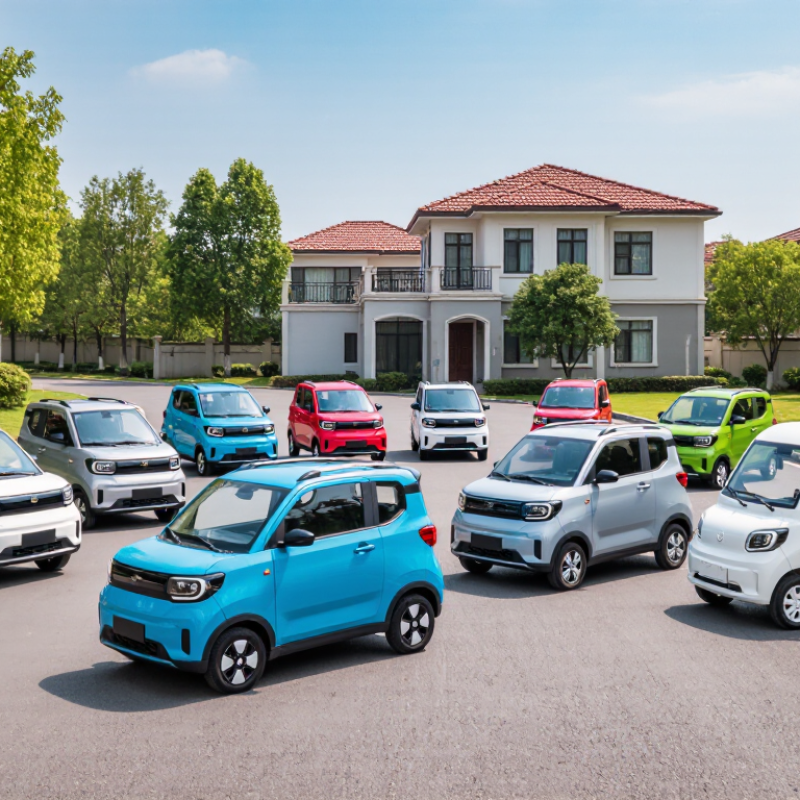
What Defines a Neighborhood Electric Vehicle in 2026
A neighborhood electric vehicle (NEV) is generally a compact, battery-powered vehicle designed for short, lower-speed trips. In 2026, the label does not mean exactly the same thing everywhere. Some jurisdictions classify these vehicles as low-speed vehicles, with speed limits near 25 mph; others use different categories and requirements. Road access, equipment rules, and registration can vary, so buyers should check local guidance before relying on a vehicle for a particular route.
The defining features are practical: a limited top speed, modest passenger capacity, and a battery sized for local errands rather than long highway drives. Depending on the market, required safety equipment may include seat belts, lights, mirrors, and other visibility features. A compact footprint can make parking easier, and a quiet electric motor suits slow neighborhood streets. But quiet does not mean risk-free. Drivers still need clear sightlines and enough room for passengers and cargo.
Range deserves a close look. A published estimate may assume mild weather and gentle driving; cold mornings, hills, and frequent stops can reduce it. That gap is easy to underestimate. Before buying, compare the vehicle’s real-world range, charging time, ground clearance, and payload with your daily trips. A short test drive helps, though it cannot reproduce every season or road.
| Rank | Vehicle Type | Typical Seating | Indicative Advertised Range | Typical Top-Speed Class | Best Suited For | What to Check Before Buying |
|---|---|---|---|---|---|---|
| 1 | Compact two-seat commuter | 2 | 25–50 miles per charge | Usually capped at 25 mph when classified as a U.S. low-speed vehicle | Short local trips, gated communities, and compact parking spaces | Confirm road eligibility, passenger protection, weather coverage, and usable cargo space. |
| 2 | Four-seat forward-facing vehicle | 4 | 25–50 miles per charge | Usually capped at 25 mph when classified as a U.S. low-speed vehicle | Families, residential errands, and community transport | Check seat-belt availability, rear-seat access, payload limits, and range with a full passenger load. |
| 3 | Four-seat rear-facing vehicle | 4 | 25–50 miles per charge | Usually capped at 25 mph when classified as a U.S. low-speed vehicle | Occasional passenger trips with a shorter overall vehicle footprint | Inspect rear-seat legroom, entry and exit access, restraints, and rear passenger comfort. |
| 4 | Six-seat community shuttle | 6 | 20–45 miles per charge | Usually capped at 25 mph when classified as a U.S. low-speed vehicle | Hotels, campuses, retirement communities, and larger households | Verify seating configuration, gross vehicle weight rating, braking performance, and range under load. |
| 5 | Enclosed-cabin commuter | 2–4 | 25–50 miles per charge | Usually capped at 25 mph when classified as a U.S. low-speed vehicle | Regular local travel in areas with rain, wind, or cooler weather | Check whether the cabin has effective ventilation, demisting, weather sealing, and appropriate safety equipment. |
| 6 | Open-sided utility vehicle | 2 | 20–45 miles per charge | Usually capped at 25 mph when classified as a U.S. low-speed vehicle | Property maintenance, light hauling, and work around large sites | Compare payload and cargo-bed capacity; confirm that the intended equipment is approved for road use. |
| 7 | Flatbed or cargo-hauling vehicle | 2 | 20–40 miles per charge | Usually capped at 25 mph when classified as a U.S. low-speed vehicle | Deliveries and transport of bulky items over short distances | Check load distribution, tie-down points, payload rating, and how cargo weight affects range and braking. |
| 8 | Compact utility vehicle with enclosed storage | 2 | 20–45 miles per charge | Usually capped at 25 mph when classified as a U.S. low-speed vehicle | Maintenance teams and users who need lockable storage | Review storage volume, weather protection, payload capacity, and access to charging at the work site. |
| 9 | Accessible community transport vehicle | Varies by configuration | 20–40 miles per charge | Usually capped at 25 mph when classified as a U.S. low-speed vehicle | Short trips where easier entry, exit, or mobility-device accommodation is important | Confirm ramp or lift compatibility, securement points, doorway dimensions, and local accessibility requirements. |
| 10 | Long-range neighborhood commuter | 2–4 | 40–70 miles per charge | Usually capped at 25 mph when classified as a U.S. low-speed vehicle | Frequent local trips with fewer charging opportunities | Ask how range was measured and account for temperature, hills, passenger load, speed, and battery age. |
| Definition and buying note: In the United States, a low-speed vehicle (LSV)—often called a neighborhood electric vehicle—generally has four wheels, a maximum speed greater than 20 mph and no more than 25 mph, and a gross vehicle weight rating below 3,000 lb. Federal equipment requirements and state or local rules also apply; road access is commonly restricted to streets with posted speed limits of 35 mph or less, but local rules can differ. Range figures above are broad, indicative market ranges, not guaranteed specifications or regulatory standards. Check the exact vehicle documentation, charging requirements, registration rules, and local road restrictions before purchase. | ||||||
FAQS
Track a typical week of trips, including school runs and grocery stops. Add a reserve for hills, cold mornings, passengers, and battery aging. Advertised range is not a promise.
Drive your usual route, including a hill and a tight parking spot. Notice visibility, turning space, and comfort. Bring regular passengers, too.
It may work for some vehicles. Charging time depends on the battery and charging equipment, so confirm the details before choosing.
Two seats can make parking easier and leave room for groceries or tools. Try loading your usual bags. Small trunks can become annoying.
Four seats can suit family trips, but rear legroom may be limited. Sit in every row before deciding. Photos can be misleading.
They carry more passengers, but their longer bodies may feel awkward in tight spaces. Check turning room near home or work.
Check bed dimensions, payload limits, and rain protection. Bring a folded stroller or grocery bags to see how they fit.
Treat quoted figures as estimates. Hills, cold weather, passenger weight, and frequent stops can reduce distance per charge. Leave a buffer.
Conclusion
Neighborhood Electric Vehicles (NEVs) are compact electric vehicles designed for short, everyday trips and practical local travel. This guide explains what distinguishes an NEV in 2026 and how to assess one for daily use, including its driving range, seating capacity, comfort, cargo space, charging needs, and suitability for the routes you regularly take. It also introduces ten types of NEVs to consider, from simple two-seat options to roomier models built to carry passengers or supplies.
A side-by-side comparison of range, seating, and utility can help narrow the choices to vehicles that fit your routine and budget. Before buying, consider where and how you plan to drive, the availability of convenient charging, expected maintenance, weather protection, and the vehicle’s storage and safety features. A careful review of these factors can make it easier to choose an NEV that meets your everyday needs without paying for features you are unlikely to use.